
Etosha National Park accommodation
Prices are indicative guides per person and may vary by season, room type, occupancy and meal plan. Contact Madbookings for current rates and availability.
Nothing in that style here yet — tap the pill again to see everything.
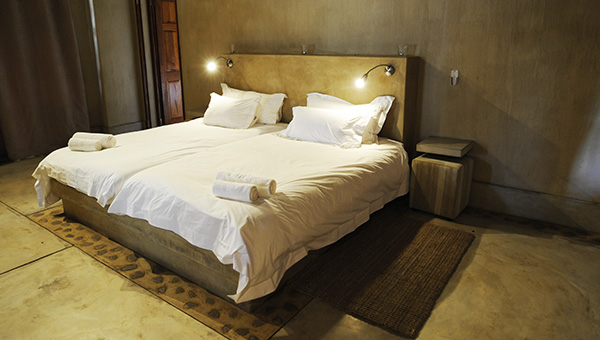
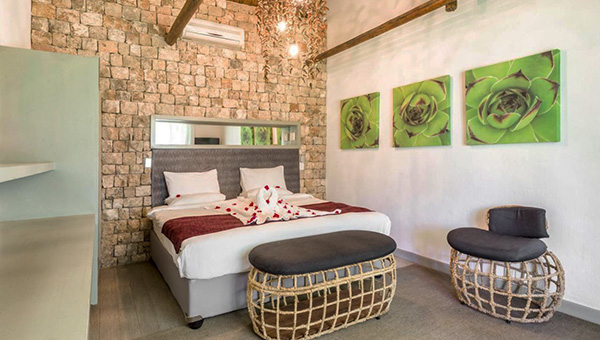
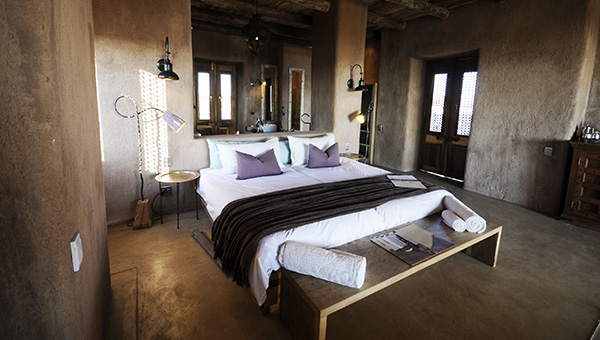
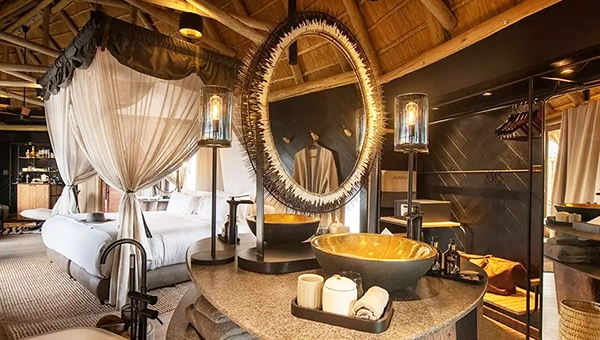
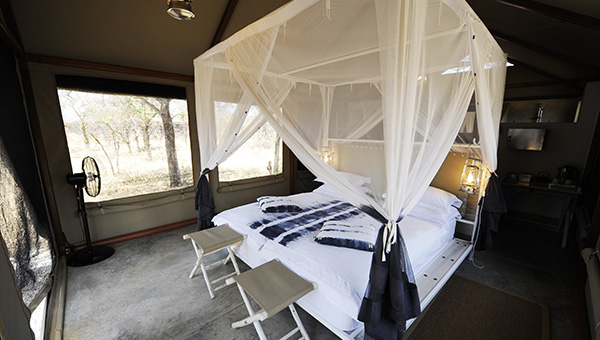
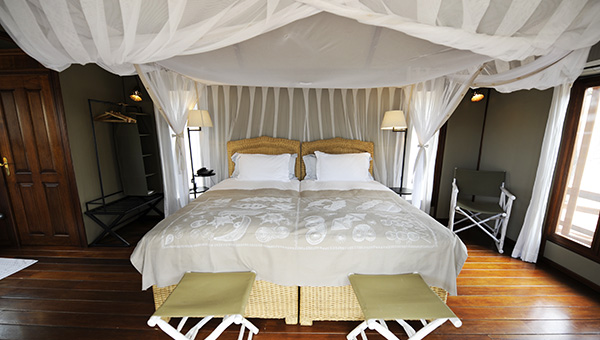
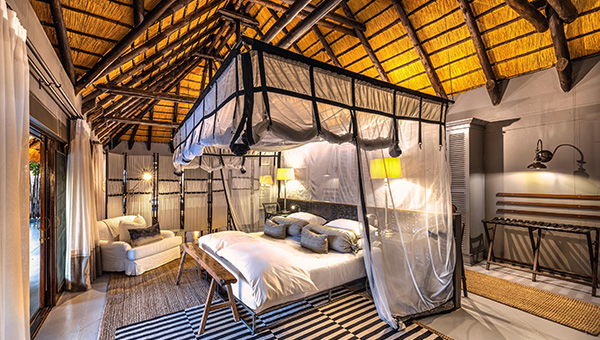
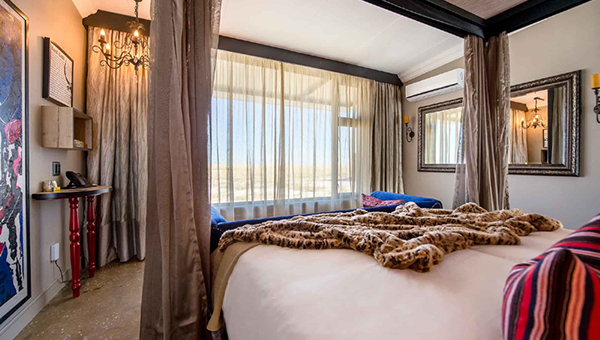
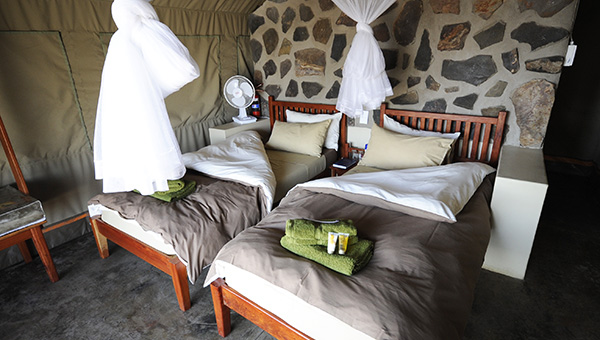
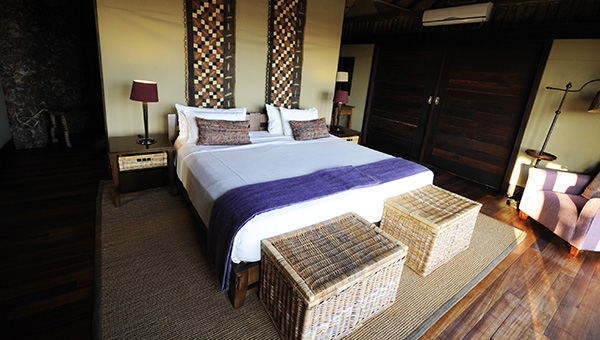
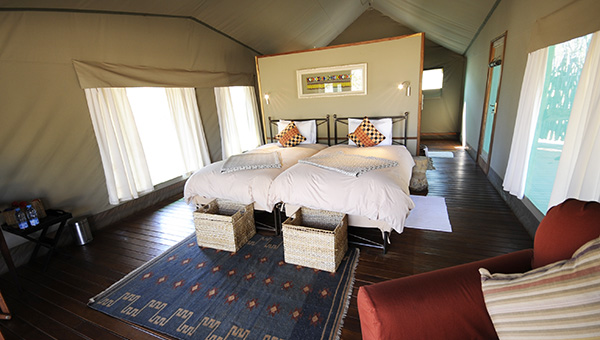
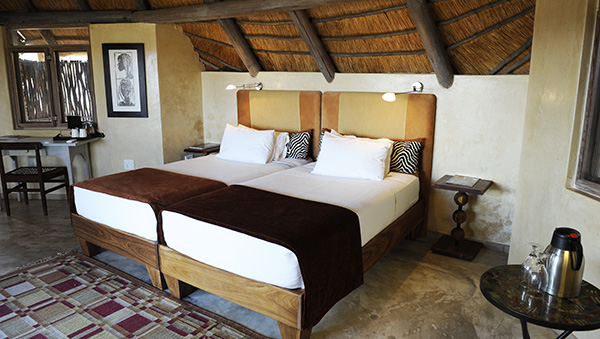
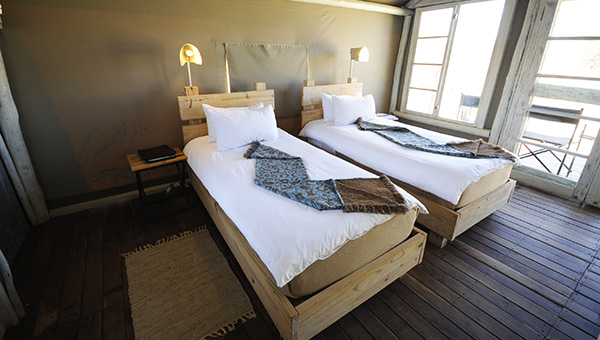
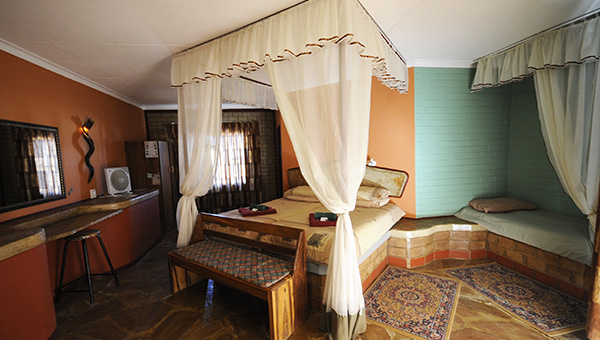
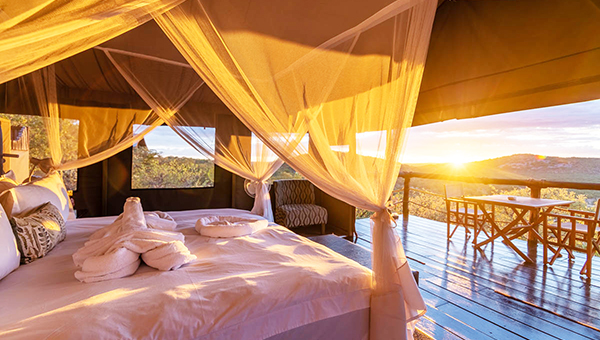
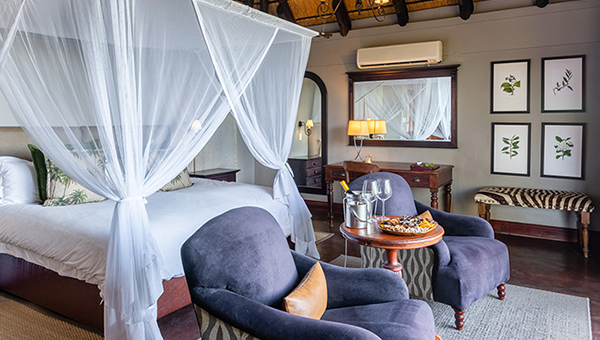
Inside the park
Inside the park
Inside the park
Inside the park
Inside the park
Inside the park
Inside the park
Inside the park
Inside the park
Visitors Guide
Which Etosha accommodation is right for you?
Camping For travellers who want to be at the waterhole at first light, inside the park or just outside the gates.
Classic For comfortable chalets, rest camps and lodges within easy reach of the park gates.
Luxury For private reserves on Etosha's boundary, small camps, guided game drives and space to yourself.
Staying inside the park means you can be out at dawn and dusk when the game is most active, and the floodlit waterholes at Okaukuejo, Halali and Namutoni are an experience in themselves. Staying outside gives you a wider choice of comfort and price, along with guided drives on the private reserves.
No two game drives will be the same. You will see something different every time you venture out, and not knowing what you are going to discover, or where, is part of the thrill of Etosha. Whether you drive yourself — easy to do even in a two-wheel-drive sedan — or join one of the guided game drives run by Namibia Wildlife Resorts and many of the surrounding lodges, an experienced guide can explain Etosha's unusual terrain and help you identify the animals and birds.
What you will see
Etosha National Park
Etosha is built around a vast salt pan, so large it is visible from space, and for most of the year it is dry and glaringly white. The game does not spread out across it — it comes to the waterholes on its edges, which is what makes Etosha such an unusually easy park to watch wildlife in. You park, you wait, and the animals come to you.
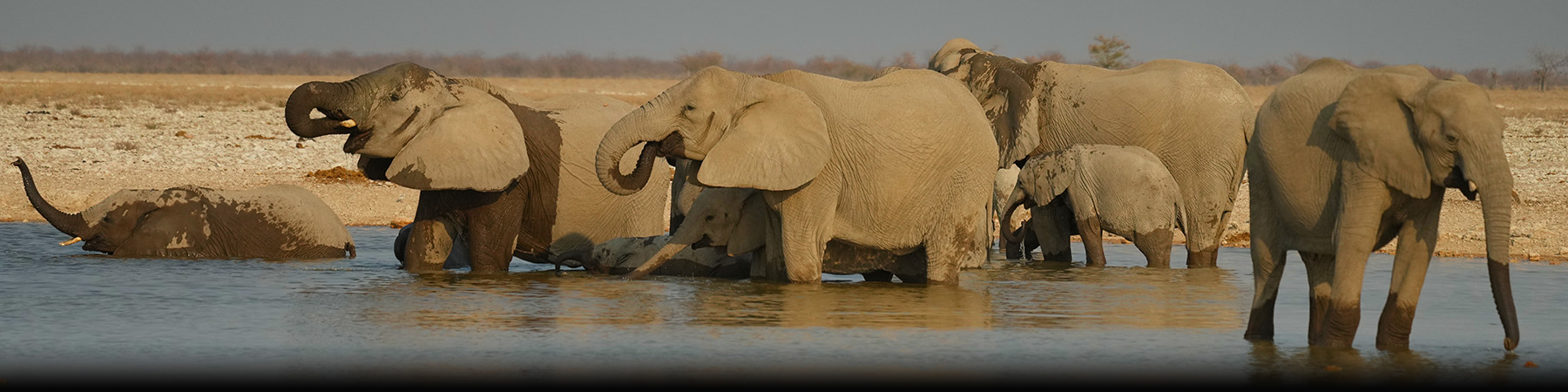
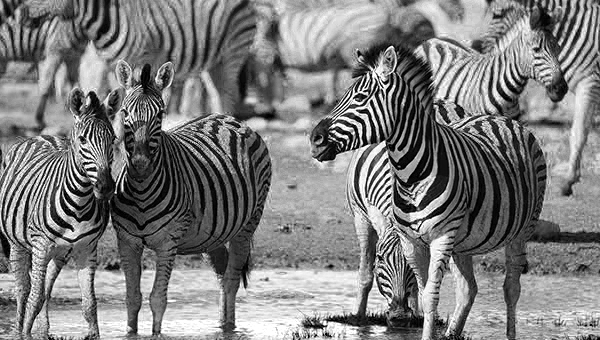
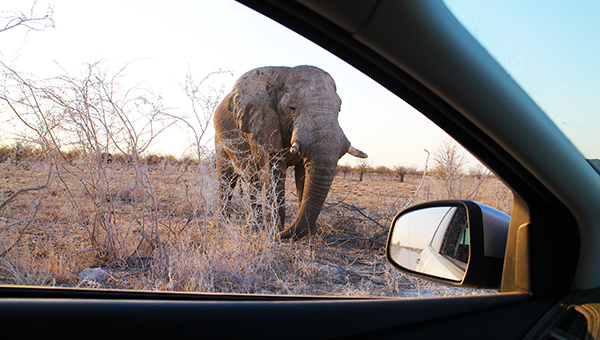
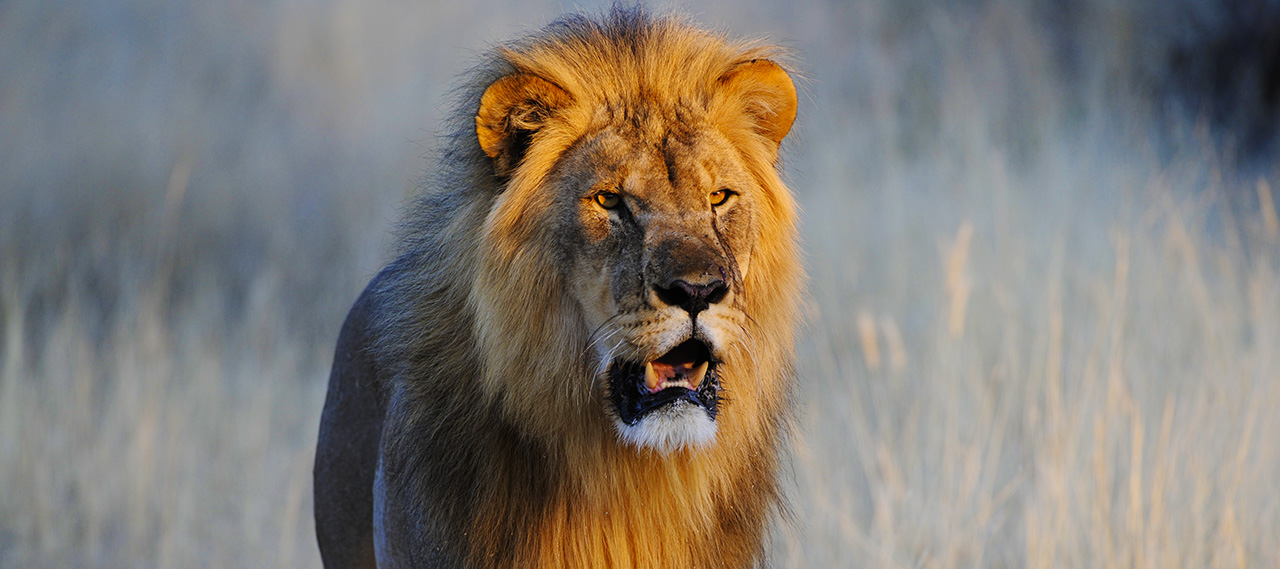
Elephant, giraffe, zebra, springbok, oryx, wildebeest and kudu are all common, and Etosha is one of the better places in Africa to see black rhino. Lion are widespread, and leopard and cheetah are seen with patience and luck.
The floodlit waterholes at Okaukuejo, Halali and Namutoni are the park's signature experience: pull up a chair after dinner and watch rhino, elephant and lion drink through the night.
Visitors guide
Planning your visit to Etosha
Choosing the right place to stay is the first thing to sort out before a journey through Etosha. Below you will find the most comprehensive selection of accommodation in and around the park, and if you would like guidance on which is right for you, send us an email describing what you are after and we will use our experience of Etosha's options to point you to the ideal one.
Inside the park or outside the gates?
The rest camps inside the park — Okaukuejo, Halali, Namutoni, Onkoshi, Dolomite and Olifantsrus — put you on the game-viewing roads at first light and let you stay out until sunset, when the animals are most active. Places outside the gates often offer more comfort, better food and more choice for the money, at the cost of a drive to the gate each morning. Many travellers do both: a night or two inside, a night or two outside.
Getting around
Etosha is a self-drive park on good gravel roads, and an ordinary two-wheel-drive car handles it comfortably. Stay in your vehicle except at the marked rest camps and designated picnic sites, keep to the speed limit, and give yourself far longer than the distance suggests — the point is to stop at waterholes and wait.
Gates open at sunrise and close at sunset, and you must be inside a camp by the time they do. Guided game drives, including night drives that go out after the gates close, are run by Namibia Wildlife Resorts and by most of the surrounding lodges.
When to go
The dry winter months, roughly May to October, concentrate the game around the waterholes and are the easiest time for sightings. The green season after the rains brings newborn animals, migrant birds and dramatic skies, but the game spreads out and is harder to find.