Waterberg Plateau Park

Otjozondjupa · Waterberg Plateau
Red sandstone cliffs rise above the plains of central Namibia, with springs, green bush and a protected plateau where rhino, buffalo, sable and roan are bred to restock the country’s reserves. Stay at the park resort, a guest farm or a lodge below the cliffs.
Prices are indicative guides per person and may vary by season, room type, occupancy and meal plan. Contact Madbookings for current rates and availability.
Nothing in that style here yet — tap the pill again to see everything.



Camping For self-sufficient travellers who want to sleep at the foot of the cliffs, with the plateau’s birdlife and night sky around them.
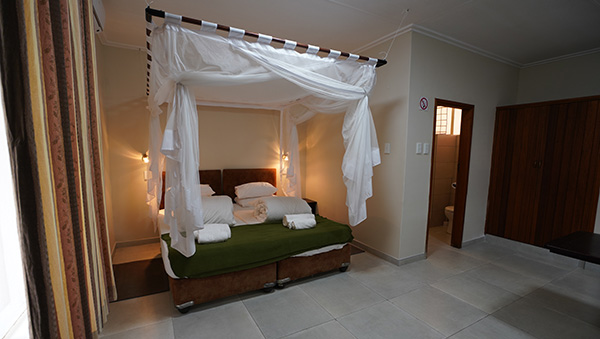
Classic For the park resort, guest farms and lodges — comfortable rooms, meals and guided drives or walks onto the plateau.
Luxury For private reserves with full board, a spa and more time out with the guides.
Waterberg accommodation ranges from campsites and the park’s own resort to guest farms, lodges and private reserves within reach of the mountain. Some places are made for a night on the way to or from Etosha; others reward a longer stay, with guided plateau drives, hiking, birding and the cheetahs at the Cheetah Conservation Fund close by.
What you will see
The Waterberg does everything differently. Where the rest of central Namibia is dry, its raised plateau catches extra rain that feeds springs, dense sub-tropical vegetation and year-round greenery — a startling contrast to Etosha’s dust a few hours north.
The plateau top is a protected breeding sanctuary. Rare and endangered species — black and white rhino, disease-free buffalo, sable and roan antelope — are raised here to restock reserves across the country, and you see them on guided drives and walks rather than from behind your own windscreen.
The cliffs are home to Namibia’s only breeding colony of Cape vultures, and the mix of plateau, cliff and bush below makes the area a favourite with birders. At either end of the day the sandstone burns red in the low sun.
Visitors guide
Year-round, genuinely — the mountain’s own water keeps it alive in every season. The dry winter months (May–October) bring cool, clear hiking weather and easier game viewing as animals gather near water. Summer (November–April) is hotter, with afternoon thunderstorms that turn the plateau country vividly green — the best months for birding, when migrants join the residents. Photographers do well at either end of any day: the sandstone cliffs glow red at sunrise and sunset all year.
Join a guided drive onto the plateau to look for rhino, buffalo, sable and roan, walk the trails at the foot of the cliffs, and watch for the Cape vultures overhead. Nearby, the Cheetah Conservation Fund welcomes visitors to learn about its work with Namibia’s wild cheetahs.
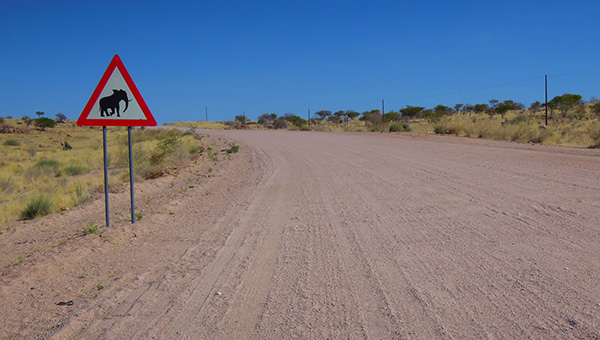
Self-driving is simple: tar north from Windhoek on the B1 past Okahandja towards Otjiwarongo, then east on good district roads to the mountain — allow around three hours, and any 2x4 manages it in the dry. Coming from Etosha, it’s a comfortable half-day south. The final approach roads to some lodges are gravel; nothing dramatic, just take them gently.
No self-driving happens on the plateau itself — you park at your lodge or the resort and join guided drives up top. Which, honestly, is part of the charm.
Give the Waterberg at least two nights if you can: one day for a guided plateau drive and one for walking below the cliffs. It pairs naturally with Etosha, a half-day further north.
Places you will hear about in this area: the Waterberg Plateau Park, Otjiwarongo, the B1 between Windhoek and Etosha, Okahandja and the Cheetah Conservation Fund.
Book with a person
Send us the places you like from this page and we'll check availability, confirm the rate and hold the rooms. You pay each lodge's own rate — our service costs you nothing on top.