Safari guide · Namibia, Botswana & South Africa
A lion at 40 metres doesn't wait for you to find the right dial. Safari photography is preparation meeting patience: the right shutter speed already set, the beanbag already on the sill, and the discipline to switch the engine off and wait. Here's the whole craft — for phones and cameras alike.
The shutter ladder — match the speed to the behaviour, and let auto-ISO worry about the rest
Landscapes wait; wildlife doesn't. The skills that matter on safari are anticipation and readiness — reading behaviour so you're already composed when the leopard stands up, and keeping the camera set for the shot you might get, not the one you just got.
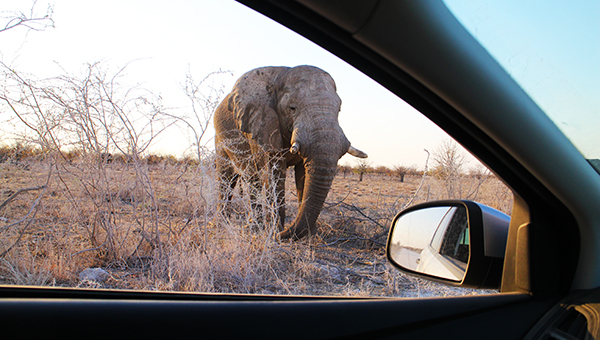
The second difference is the vehicle. You'll do almost everything from a car seat, which sounds limiting until you realise the vehicle is the best wildlife hide ever invented — animals in parks like Etosha treat cars as harmless landscape, letting you work at distances no walker ever could.
The third: light rules everything. The activity peaks at dawn and dusk are also the golden hours — the wildlife photographer's great gift. Everything in our Etosha game drives guide about timing applies doubly with a camera in hand.
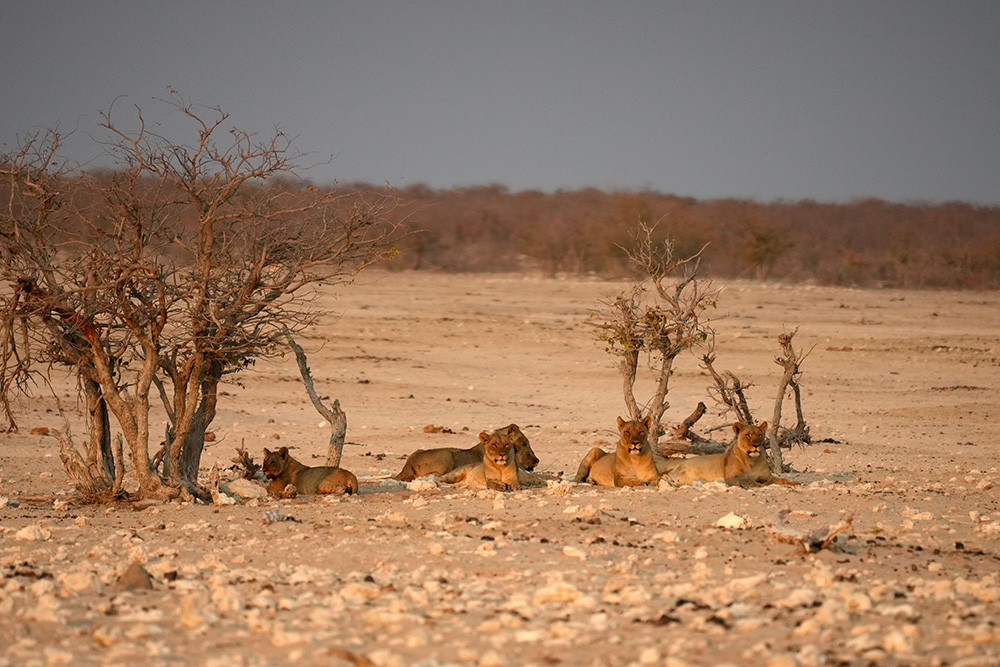
Guided-drive bonus: guides know how photographers think — tell yours at the start that you shoot, and they'll position the vehicle for light and angle without being asked twice.

The ladder at the top of this page is the shared foundation — how you climb it depends on what's in your hands.
Tick it off
The morning ritual worth memorising: fresh card · full battery · clean lens · ladder speed set · beanbag on the sill — then be at the gate at sunrise.
Reach beats brand: 300–400mm territory (or a 100–400 style zoom) covers most sightings, and at Etosha's waterholes even 200mm works hard. A bridge superzoom is a completely respectable one-camera safari answer.
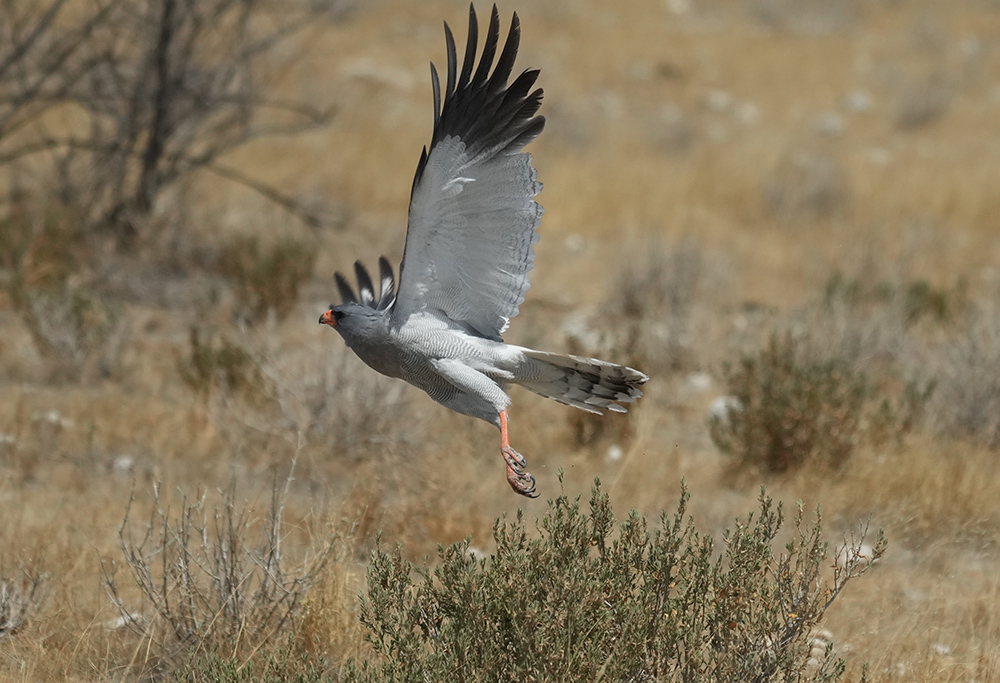
Match the behaviour: ~1/125 resting, 1/500 walking, 1/1000 running, 1/2000+ for birds in flight. Shutter priority or manual with auto-ISO holds the speed while the light does what it likes.
Yes — at waterholes, at the floodlit camp waterholes, and anywhere the animals come to you. Burst mode for action, no digital zoom past the optical range, and try the binocular-eyepiece trick for reach.
Beanbag, every time, inside a vehicle — stable, silent and instantly repositionable where a tripod is an argument with the seats. A bag of rice from the first supermarket works perfectly.
Because location data on rhino and other endangered-species photos has been used by poachers to find them. Strip the GPS, keep the waterhole's name to yourself, and share a day late. The photo is the trophy — the pin is a threat.
The best camera position is the right lodge
Floodlit-waterhole camps, private-reserve drives where the vehicle positions for light, hides at eye level with the water — tell us the pictures you want to come home with and a real person will build the trip that makes them possible. No booking fees, ever.
You pay each place's own rate — nothing on top.
We know where the value hides around every gate.
First-hand, from people who sit at these waterholes.
Real people, replies usually the same day.