madbookings
Real people · No booking fees · 30+ years in Southern Africa

The complete guide · Weather · Wildlife · Crowds · Demand

When to visit
Namibia.

There is no bad month to visit Namibia — only different Namibias. Winter delivers cool days, dry landscapes and thirsty wildlife at the waterhole; summer brings hot afternoons, dramatic storms, migrant birds and the season the desert secretly wears green. This guide walks month by month so you can pick your Namibia and travel at the right time for what you love.

JANFEBMAR APRMAYJUN JULAUGSEP OCTNOVDEC RAIN TEMP GAME CROWDS GREEN SEASON · JAN–APR DRY SEASON · MAY–OCT GREEN AGAIN · NOV–DEC DARKER = MORE · READ EACH BAND ACROSS 12 MONTHS TO SEE THE TRADE-OFFS

The year at a glance — rain, temperature, wildlife concentration and crowds across all twelve months

The dry season
May to October — safari peak, crisp light, clear skies
The green season
November to April — storms, colour, birds, calving
The sweet spots
May–June & April — great weather, lower demand
The one constant
Book Etosha inside stays & balloons months ahead

01The two seasons — the big trade-off

Namibia has two seasons, and choosing between them shapes the whole trip. Both are valid; neither is "better".

May – October

Dry winter

  • Weather: almost no rain, clear skies, cool nights (can freeze in June–August), warm sunny days
  • Wildlife: game concentrates at permanent waterholes — Etosha at its most productive, sightings consistent and easy
  • Landscape: dry, dusty and sculptural — the "classic Namibia" look
  • Light: crisp desert air, low humidity, sharp shadows — every photograph feels sharper
  • Crowds: July–October is peak season with the highest demand and prices
  • Trade-off: book early, layer for cold mornings, expect more vehicles at good sightings

November – April

Green summer

  • Weather: warm to hot (30–35°C by day), dramatic afternoon storms possible, most rain January–March
  • Wildlife: game spreads out with seasonal water everywhere; migrant birds arrive; antelope calve — predator action follows
  • Landscape: unexpected greens, wildflowers in good years, storm skies over the pans
  • Light: huge dramatic clouds, gold-and-black sunset drama — many photographers' quiet favourite
  • Crowds: quieter parks, quieter lodges, lower rates
  • Trade-off: heat, patience with wildlife, occasional gravel-road washouts

02Month by month

The whole year in one table. Read across for the trade-offs; use the demand column to plan booking lead time.

Month Season Weather & landscape Wildlife Demand
January Green · Wet Hottest month. Temperatures often 32–38°C. Dramatic afternoon storms; some gravel roads impassable after heavy rain. Green landscapes, low humidity by African standards. Migrant birds at their peak. Newborn antelope. Game spread across parks. Predators active where prey concentrates. Low
February Green · Wettest Wettest month of the year. Hot, humid by Namibia standards. Etosha's pan can hold water in good years — flamingos arrive. Storm photography at its most dramatic. Peak birding. Baby wildlife everywhere. Game viewing takes patience — the reward is a park you almost have to yourself. Low
March Green · Tail of rains Rain tapering off, temperatures start easing. Rare years bring the Sossusvlei pan-fills-with-water phenomenon. Landscapes still lush. Still-generous birdlife. Antelope young beginning to lose their vulnerability. Game slowly starting to gather. Low
April Shoulder · Sweet spot The green season's finest days. Warm sunny mornings, comfortable afternoons around 25–30°C, minimal rain, clear crisp air, everything still green. Dispersal ending, animals starting to move to permanent water. Excellent birding overlap with early dry-season conditions. Shoulder
May Dry · Sweet spot The best all-round month for most travellers. Cool crisp mornings, warm sunny days, cold clear nights. Landscape dries but colour lingers. Waterholes filling with visitors. Etosha becomes productive. Great desert wildlife light. Milky Way core visible late night. Shoulder
June Dry · Cold nights Cold desert nights (below freezing in the interior possible), sunny 20–25°C days. Utterly clear skies — best stargazing months begin. Etosha excellent. Elephant and predator sightings consistent. Rutting season for some antelope. Peak Milky Way viewing. High
July Dry · Peak season starts Coldest nights (bring the warm jacket for sunrise drives). Perfect sunny days. Zero rain. Northern hemisphere school holidays start. Etosha reaches peak. Predators visible at waterholes daily. Game viewing at its most consistent. Peak
August Dry · Peak Warming slightly. Peak of the "classic" Namibia weather — sunny, crisp, dry. Some wind picks up in the coastal areas. Peak safari conditions continue. Sossusvlei ridges most sculpted. Milky Way core still magnificent. Peak
September Dry · Photographers' month Warm days (25–32°C), still cool nights, exceptional light. Many say this is the country's most beautiful month for photography. Etosha still peak. Concentrations extreme as everything drives towards remaining water. Elephant herds enormous at some pans. Peak
October Dry · Hot & dusty Heating up. 30–35°C by day. Very dusty, especially towards month-end. Anticipation of first storms building. Still excellent game viewing — animals desperate for water — but heat harder on both wildlife and photographers by midday. High
November Shoulder · Green begins First rain showers likely. Landscape transforming, first green shoots. Warm to hot days, spectacular late-afternoon skies. Wildlife dispersing but still findable at bigger waterholes. Migrant birds returning. Baby antelope beginning to appear. Shoulder
December Green · Peak local Hot, sometimes stormy. Landscape green. Coastal areas (Swakopmund especially) very busy with the Namibian and South African holiday season. Game viewing patchy but rewarding for patient watchers. Excellent birding. Antelope young beginning. High

Demand key: Peak = book 6+ months ahead. High = book 3–5 months ahead. Shoulder = 6–10 weeks fine for most stays. Low = 4–6 weeks usually enough. Inside-Etosha camps, hot-air balloons and dark-sky lodges are the exceptions — book those first, no matter the month.

03Best time by what you're going to do

If the trip is built around one specific experience, timing bends to it. The most-asked ones.

Best: June – September

Etosha game drives

Cool mornings, dry bush, and waterholes crowded with elephant, rhino, lion and antelope. May and October are strong shoulder months. Green season rewards patient birders but spreads the game across a park the size of Slovenia.

Best: May – September

Sossusvlei & Deadvlei photography

Crisp desert air, sculpted dune ridges at sunrise, cool walking conditions. April and October–November are shoulder sweet spots. Midsummer is harshly hot by mid-morning; go very early or accept it.

Best: April – September (around new moon)

Milky Way & astro photography

The galactic core is visible above the southern horizon roughly April to September. Combine with new-moon dates and the NamibRand Dark Sky Reserve for the darkest skies most travellers will ever see.

Best: May – October

Hot-air ballooning

Dawn balloon flights over the Namib run reliably in the dry season — winds are predictable, sunrises are clear. Book months ahead for the July–October window; balloons sell out first of any Namibia activity.

Best: November – April

Birding

Migrant species swell resident populations by the hundreds. Etosha's Fisher's Pan can become flamingo-territory in wet years. Wetland species along the Zambezi strip peak. Even non-birders notice.

Best: April – November

Self-drive road trips

Gravel roads are at their most predictable when it isn't raining. April to November covers both shoulders and the dry season — the sweet zone for anyone building a Namibia road trip. January–March is possible but plan flexibility around washouts.

04Regional timing — each area has its own rhythm

Namibia is bigger than most people realise, and the same month means different things in different corners. Quick regional notes.

Peak: June – September

Etosha & the north

Straightforwardly dry-season country. Winter is best; summer game viewing is possible but patchy. See our Etosha game drives guide.

Best: April – October

Sossusvlei & the desert

Desert works year-round. Winter is coolest and clearest. April–May and September–October are the sweet spots for combining comfort with lower crowds.

Best: April – December

Swakopmund & the coast

The cold Benguela current keeps the coast cool year-round — often the coolest place in the country. Winter fog mornings can be spectacular. December is very busy with local holidaymakers.

Best: May – October

Damaraland & Kaokoland

Rocky, remote, hot in summer — the dry season is when tracks stay drivable and desert-elephant tracking is at its best. Green season 4×4 country can catch out the unprepared.

Best: May – October

Fish River Canyon & the south

Very hot in summer; the multi-day canyon hike only runs May to September when conditions are safe. Winter is the practical window.

Best: November – April

Zambezi Strip (Caprivi)

The green far north-east flips the rule — wetter than the rest of Namibia, and its own best time is the green months when birding and river life are at their peak.

05Demand & lead time — when to actually book

Namibia has real capacity limits. There are only six properties inside Etosha Park, four inside Sossusvlei, one dark-sky reserve, and a limited number of balloon slots. Booking lead time matters more than budget.

  • Peak (Jul–Sep): 8+ months ahead for inside-Etosha camps, inside the gate at Sossusvlei, hot-air balloons, dark-sky lodges. 4 to 6+ months for popular private lodges. School-holiday overlaps make this even tighter
  • High (Jun, Oct, Dec): 4–5 months ahead for stays inside national parks.
  • Shoulder (Apr, May, Nov): 6–10 weeks fine for most stays; still book the national parks ones early.
  • Low (Jan–Mar): 4–6 weeks usually enough, though inside-Etosha camps can still fill on public holidays

The three "no matter what" bookings we'd always make first: inside-Etosha camps, inside-Sossusvlei camps and lodges, and hot-air balloon slots. These sell out first, and they're what most travellers regret not securing.

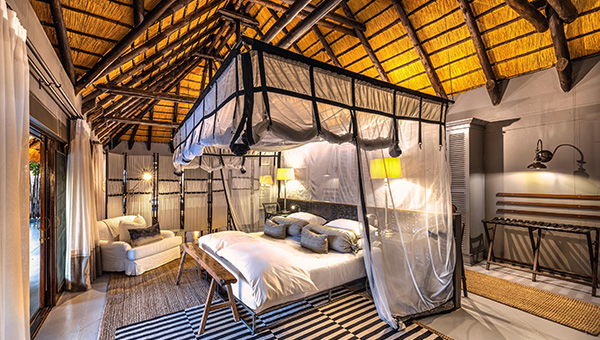
A private lodge near Etosha, illustrating the accommodations that book out in peak season
The lodges that make the trip — and that sell out first

06How to choose — three-line rules of thumb

  • First-time visitor, want the "classic" trip: aim for May, June or September. Great weather, generous wildlife, prices below the July–August peak
  • Photographer: September for warm light without July–August crowds; February for storm skies; April/May for the shoulder blend
  • Birder or lover of dramatic landscapes: January–March, and enjoy having the place to yourself
  • Family holiday: April, June or November — the shoulder months balance comfort, game viewing and prices, and school-holiday windows still work
  • Sossusvlei-focused: any month works because it's desert; May and September are ideal
  • Etosha-focused: July to September for consistent sightings, May and October for the shoulder sweet spot
  • Balloons or dark-sky priority: book the balloon or lodge first, then plan the month around it

07Practical FAQs

What is the best month to visit Namibia?

There's no single "best" month, only the best month for what you want to do. May and June combine cool comfortable days, dry landscapes and productive wildlife with prices below the July–October peak — the strongest all-round balance for most first-time visitors.

Is it too hot to visit in December or January?

Hot but not impossible. Daytime highs of 32–38°C are manageable if you plan around the heat — early starts, midday siestas, late-afternoon activity. Coastal Swakopmund stays cool year-round. Rain is possible but rarely stops trips.

When can I see the Milky Way?

The galactic core is above the horizon roughly April to September, best around the new moon. NamibRand Nature Reserve is an International Dark Sky Reserve and one of the darkest places on Earth for it.

How cold does it actually get in winter?

Interior nights (June–August) can drop below freezing, especially at desert lodges. Days climb quickly to 20–25°C. Pack for both — thermal layer for the sunrise drive, t-shirt for lunchtime.

Are there closures or difficult months to avoid?

Not really — Namibia is open all year. February's rain can wash out some gravel roads for a day at a time; December's coastal towns are very busy with the local holiday season. Neither should stop a well-planned trip.

Which month has the best value?

April, May and November — genuine shoulder months with strong weather, decent wildlife and lower rates than the July–October peak. May in particular tends to be everyone's insider pick.

Section 08 · Tick it off

The trip-planning checklist

Picking your dates

Booking priorities

Packing to your season

The one-line rule: book the marquee stays first, plan the month around them. Everything else falls into place.

↑ Back to contents

Every month, a different Namibia

Tell us what matters — we'll match the trip to the season

Wildlife-first? Photography-first? Family? Dark skies? Send us the shape of your trip and we'll suggest the right month, the right stays and the booking lead time you actually need — free of charge, no fees on top of anything, and someone at the end of a WhatsApp if plans change.

Plan my trip    or WhatsApp us directly

No extra fees

You pay each place's own rate — nothing on top.

Best prices

We know where the value hides in every season.

Expert advice

First-hand, from people who've travelled every month.

Friendly, fast service

Real people, replies usually the same day.