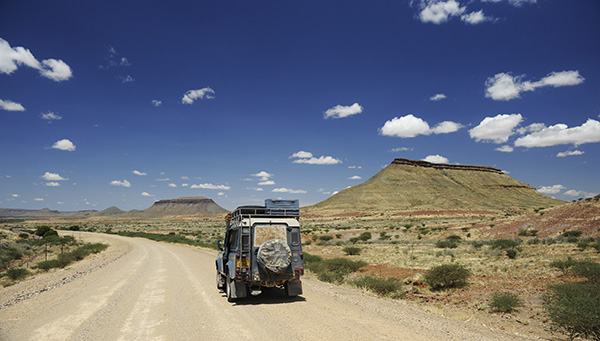
Self-drive · Namibia & beyond
Behind your own wheel
Distances are huge and towns are far apart — your vehicle is your lifeline, so pack for the road as well as the bush.
- 5 litres of water per person in the car, always
- Cooler box + padkos — picnic stops beat petrol-station pies
- Offline maps downloaded + a paper map as backup; signal vanishes for hours
- 12V charger for phones and cameras on long drives
- Headlamp or torch for camp arrivals after sunset
- Some cash — small fuel stops don't always take cards
- Spare glasses if you wear them — the nearest optometrist is far
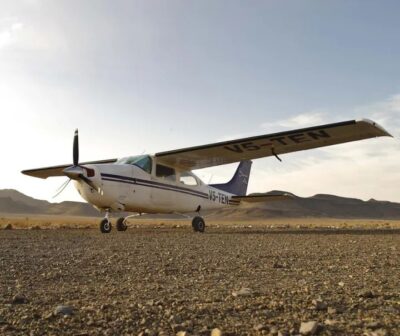
Fly-in · Okavango & private reserves
Lodge to lodge by air
Light aircraft transfers — the standard way into Botswana's Delta camps — change the packing rules completely.
- Soft-sided bag only, usually 15–20 kg total — we confirm your exact limit when booking
- 3–4 outfits maximum — camps do laundry, often same-day
- One warmer smart-casual layer for dinners under the stars
- Motion sickness tablets if small bumpy planes worry you
- Everything valuable in your day bag — it stays with you
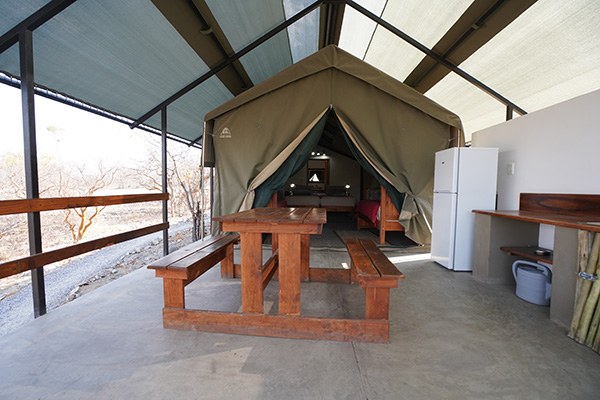
Camping · NWR sites & 4x4 campers
Under canvas
The most Namibian way to travel — and the one where the temperature swing gets personal at 3am.
- Sleeping bag rated below 0°C for winter — desert nights freeze
- Beanie and thermals to sleep in, June to August
- Headlamp per person + spare batteries
- Camp shoes — something to slip on for the midnight walk
- Biodegradable soap and a quick-dry towel
- Firelighters and matches — braai wood is sold at most camps
Renting a 4x4 camper through us? The vehicle comes with the big kit — tents, bedding, fridge, cooking gear — so this list shrinks to the personal items. We'll send the exact inventory with your booking.
Tick it off
The safari packing checklist
Clothing
Footwear
Sun protection
Gear
Health & personal
Documents & money
Self-drive extras
Fly-in & camping extras
Tip: hit "Print this checklist" for a clean paper copy to stick on the fridge — ticks and all the website clutter removed.
Questions we answer every week
Packing, honestly answered
What colours should I wear — and what should I avoid?
Neutrals: khaki, olive, beige, brown, grey. They don't startle game and they hide the dust. Avoid white (shows everything) and, in the tsetse-fly areas of northern Botswana, avoid black and dark blue — those colours genuinely attract the flies.
How cold does it actually get?
Colder than anyone believes until their first 6am game drive. Winter nights in the Namib and Kalahari touch freezing, and an open vehicle doing 40 km/h before sunrise feels well below that. Fleece, beanie, windproof — then peel them off by 10am.
Can I really pack for two weeks in one soft bag?
Yes — because most lodges and camps offer laundry, often back the same day. Three or four outfits on rotation covers a fortnight. In drought years, keep laundry to essentials; water is precious out there.
Do I need malaria tablets?
Depends on your route and season: much of Namibia is malaria-free, while the northern strip, the Okavango, Chobe and lowveld South Africa carry seasonal risk. Pack DEET repellent regardless, and talk to a travel clinic about prophylaxis for your specific itinerary — we'll tell you which regions on your route carry risk.
What's the one thing people forget?
Binoculars — or rather, the second pair. One pair between two people works until the leopard appears, at which point it very much does not. The second most forgotten: the fleece, by everyone who read "Africa" and thought "hot".
Packing for a trip you haven't booked yet?
Let's fix that first
Tell us your dates, budget and what you dream of seeing — a real person who has packed for these exact trips replies with a route, exact prices and honest advice. Then this checklist gets a lot more exciting.
No extra fees
You pay the lodge's rate — our service costs you nothing on top.
Real people, not bots
Every enquiry is answered by someone who has packed for these roads first-hand.
30+ years in Southern Africa
Namibia, Botswana and South Africa, put together properly since long before online travel agents.