Safari guide · Landscapes, ghost towns & the darkest skies on Earth
Red dunes against blue sky, dead trees on white clay, sand swallowing a diamond town, and a night sky so dark the Milky Way casts shadows. Namibia hands you the pictures — this guide is about being in the right place, at the right minute, with the dust out of your lens.
The Namibia light clock — plan subjects around the light, not the other way round
Namibia doesn't do subtle. The oldest desert on Earth painted iron-oxide red; a salt pan the size of a small country; a diamond ghost town half-swallowed by sand; quiver trees under a galactic core bright enough to read by. It's graphic, minimal, and lit by air so dry and clean it behaves like a permanent polarising filter.
Better still, it's accessible drama — you self-drive to almost all of it, which means you control the one thing photographers never get on group tours: your own timing. Being at the right place when the light happens is 90% of Namibia photography, and this guide is mostly about that.
Shooting wildlife too? That craft has its own page: our safari photography guide.


Where to stand, when to be there, and the shot each place is famous for.
First light → mid-morning · permit day before
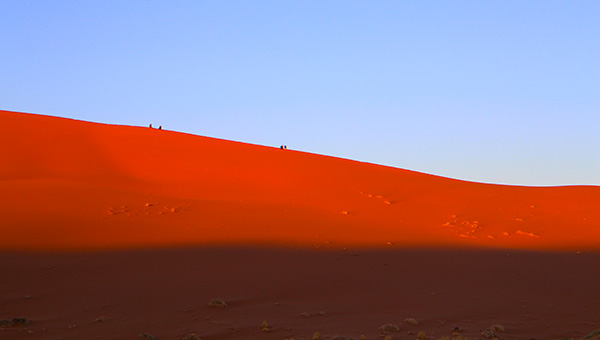
Enter at sunrise (buy your permit the afternoon before) and head for a dune ridge — the low sun splits every dune into fire and shadow along its crest. Dune 45 is beside the road and climbable for the classic ridge-line view.
The shot: a knife-edge crest, red on one side, black on the other, with a tiny human for scale.
Sun reaches the pan ±1 hr after sunrise · midday works too
The dead camel thorns on white clay against Big Daddy's orange wall. The pan sits in shadow until about an hour after sunrise — then the trees light up one by one. Unusually, harsh midday also works here: maximum contrast, graphic and stark.
The shot: one tree, isolated against the orange dune — walk until the background is clean.
Photographer's permit for early access · beams near midday
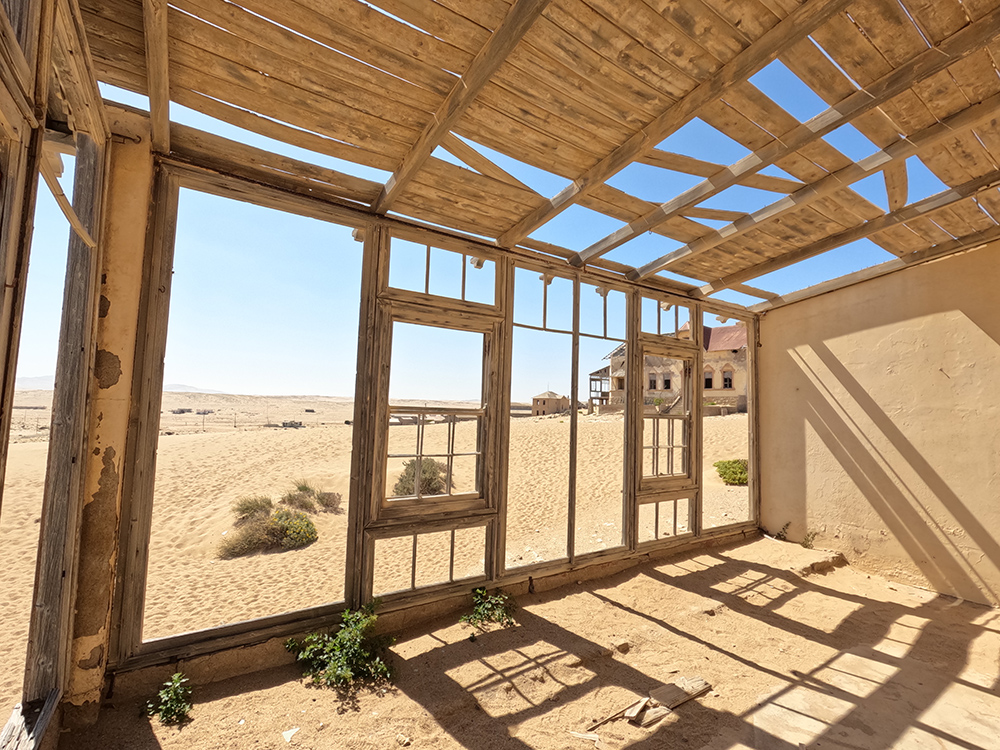
Sand-filled rooms in a diamond boomtown. A standard permit covers opening hours, but the famous soft-light, crowd-free interiors need the dedicated photographer's permit for out-of-hours access — arrange in advance (we can add it to your booking). Near midday, sunbeams cut through broken ceilings into dark rooms.
The shot: a doorway framing a doorway framing a doorway, dunes indoors.
Golden hour → night
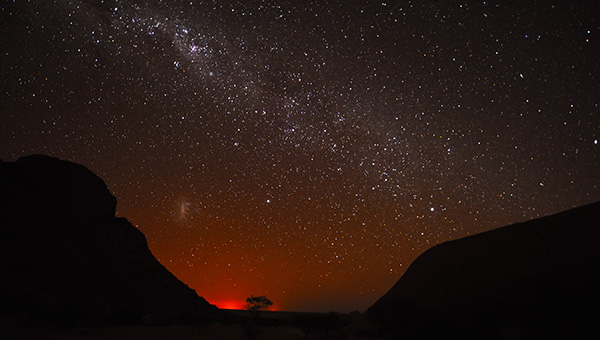
Near Keetmanshoop, the quiver trees are made for silhouettes at sunset and star frames after dark. Spitzkoppe's granite arch is the north's version — sunset colour on the rock, then the Milky Way through the arch.
The shot: a quiver tree or the arch as a black frame around the galactic core.
Fog mornings · moody all day
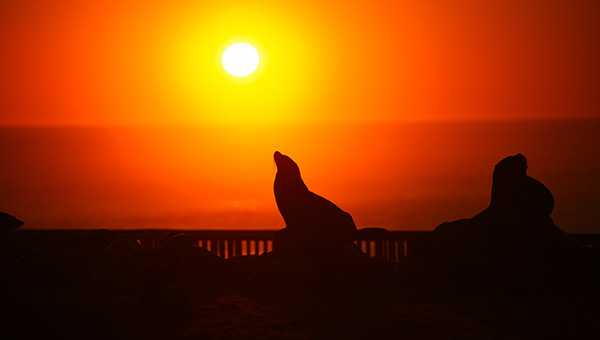
Where the fog rolls off the cold Atlantic into the desert — shipwrecks, whale bones and the seal colony at Cape Cross. This is Namibia's monochrome mood board: embrace the grey, shoot for texture and atmosphere rather than colour.
The shot: a wreck or bones dissolving into fog — negative space is the subject.
With a local guide · always ask
Namibia's people — Himba, Herero, Nama — are photographed constantly and deserve better than drive-by lenses. Ask first, accept a no gracefully, and for village visits go with a local guide who arranges permission properly; payment or a gift is customary and fair. Show people their picture; it changes everything.
The shot: the one taken after the conversation, not instead of it.
Etosha's wildlife deserves its own playbook — waterhole strategy, vehicle technique, shutter speeds — which lives in the safari photography guide and the Etosha game drives guide.
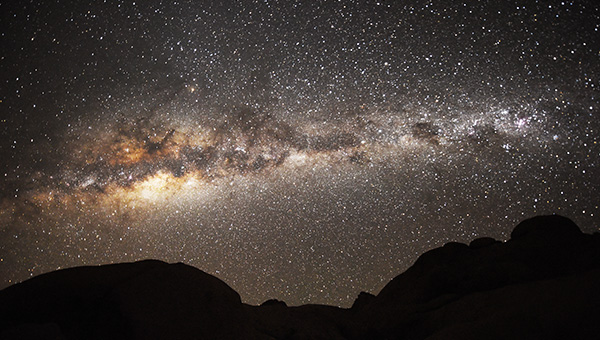
The NamibRand is an International Dark Sky Reserve and most of the country isn't far behind — no light pollution, dry air, and a southern-hemisphere view of the galactic core. The Milky Way core season runs roughly April to September; plan around the new moon for the darkest skies.
Winter desert nights freeze — shoot the Milky Way in the beanie and fleece from the packing guide, and take a flask.


Namibian dust is fine, mineral, and magnetically attracted to sensors. It's the difference between a trip's photos needing five minutes of editing or five hours of spot removal.


Namibia is generous to both — the light does the heavy lifting. The tactics just differ.
Drone pilots: drones are banned in the national parks (Etosha, Namib-Naukluft and others), and flying elsewhere in Namibia needs prior authorisation that takes real lead time. If aerials matter, plan months ahead — or book a scenic flight and shoot through an open window instead.
Tick it off
The recipe worth memorising: f/2.8 · 15–20 s · ISO 1600–3200 · manual focus on a star · tripod · timer. Everything else is taste.
Dry winter (May–September) for clear air, crisp dune light and the Milky Way core. Green season (November–April) for storm skies, colour and young wildlife — many photographers' quiet favourite. There's no bad season, only different portfolios.
Standard entry covers opening hours; the famous soft-light, empty-room shots need the dedicated photographer's permit for out-of-hours access. Arrange it in advance — we can organise it with your booking.
Not in the national parks — banned outright. Elsewhere requires prior authorisation with real lead time. If aerials matter to you, plan months ahead or book a scenic flight instead.
Wide lens at f/2.8 or faster, 15–20 seconds, ISO 1600–3200, manual focus on a bright star, tripod, 2-second timer. Core season roughly April–September; shoot around the new moon.
Always ask first and respect a no. For cultural visits like Himba villages, go with a local guide who arranges permission properly — a payment or gift is customary and fair. The best portraits follow a conversation, not a telephoto.
The right place at the right minute
Inside-the-gate stays for first light, Kolmanskop photo permits, dark-sky lodges timed to the new moon — tell us you're travelling for the pictures and a real person who knows the light will build the trip around it. No booking fees, ever.
You pay each place's own rate — nothing on top.
We know where the value hides in every region.
First-hand, from people who chase this light.
Real people, replies usually the same day.